Showing posts with label Environment. Show all posts

Sunday, May 27, 2018

Solar minimum for 2018 - 2020 could be unprecedented in modern astronomy

SOTT | May 23, 2009

© David Hathaway/NASA Marshall Spaceflight Center
The story thus far... and the curious drama that is solar cycle #24.
Have you been keeping an eye on Sol lately? One of the top astronomy stories for 2018 may be what's not happening, and how inactive our host star has become.

The strange tale of Solar Cycle #24 is ending with an expected whimper: as of May 8th, the Earthward face of the Sun had been spotless for 73 out of 128 days thus far for 2018, or more than 57% of the time. This wasn't entirely unexpected, as the solar minimum between solar cycle #23 and #24 saw 260 spotless days in 2009 - the most recorded in a single year since 1913.

Cycle #24 got off to a late and sputtering start, and though it produced some whopper sunspots reminiscent of the Sol we knew and loved on 20th century cycles past, it was a chronic under-performer overall. Mid-2018 may see the end of cycle #24 and the start of Cycle #25... or will it?

One nice surprise during Cycle #24 was the appearance of massive sunspot AR 2192, which popped up just in time for the partial solar eclipse of October 23rd, 2014. Several times the size of the Earth, the spot complex was actually the largest seen in a quarter century. But just as "one swallow does not a Summer make," one large sunspot group couldn't save Solar Cycle #24.

 The Sun goes through an 11-year sunspot cycle, marked by the appearance of new spots at mid- solar latitudes, which then slowly progress to make subsequent appearances closer towards the solar equator, in a pattern governed by what's known as Spörer's Law. The hallmark of a new solar cycle is the appearance of those high latitude spots. The Sun actually flips overall polarity every cycle, so a proper Hale Cycle for the Sun is actually 11 x 2 = 22 years long.

Read more at SOTT..


Sunday, May 13, 2018

Weedkiller products more toxic than their active ingredient, tests show

The Guardian | May 8, 2018 | Carey Gillam

After more than 40 years of widespread use, new scientific tests show formulated weedkillers have higher rates of toxicity to human cells

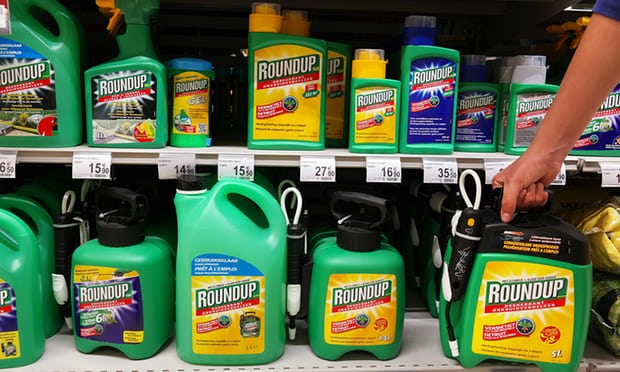
Formulated weedkillers, like Monsanto’s widely-used Roundup, leave residues in food and water, as well as public spaces. Photograph: Rene van den Berg/Alamy Stock Photo
US government researchers have uncovered evidence that some popular weedkilling products, like Monsanto’s widely-used Roundup, are potentially more toxic to human cells than their active ingredient is by itself.

These “formulated” weedkillers are commonly used in agriculture, leaving residues in food and water, as well as public spaces such as golf courses, parks and children’s playgrounds.

The tests are part of the US National Toxicology Program’s (NTP) first-ever examination of herbicide formulations made with the active ingredient glyphosate, but that also include other chemicals. While regulators have previously required extensive testing of glyphosate in isolation, government scientists have not fully examined the toxicity of the more complex products sold to consumers, farmers and others.

Monsanto introduced its glyphosate-based Roundup brand in 1974. But it is only now, after more than 40 years of widespread use, that the government is investigating the toxicity of “glyphosate-based herbicides” on human cells.

The NTP tests were requested by the Environmental Protection Agency (EPA) after the International Agency for Research on Cancer (IARC) in 2015 classified glyphosate as a probable human carcinogen. The IARC also highlighted concerns about formulations which combine glyphosate with other ingredients to enhance weed killing effectiveness. Monsanto and rivals sell hundreds of these products around the world in a market valued at roughly $9bn.

Mike DeVito, acting chief of the National Toxicology Program Laboratory, told the Guardian the agency’s work is ongoing but its early findings are clear on one key point. “We see the formulations are much more toxic. The formulations were killing the cells. The glyphosate really didn’t do it,” DeVito said. 

A summary of the NTP work stated that glyphosate formulations decreased human cell “viability”, disrupting cell membranes. Cell viability was “significantly altered” by the formulations, it stated.
DeVito said the NTP first-phase results do not mean the formulations are causing cancer or any other disease. While the work does show enhanced toxicity from the formulations, and show they kill human cells, the NTP appears to contradict an IARC finding that glyphosate and/or its formulations induce oxidative stress, one potential pathway toward cancer. The government still must do other testing, including examining any toxic impact on a cell’s genetic material, to help add to the understanding of risks, according to DeVito.

The NTP work informs a global debate over whether or not these glyphosate-based weedkilling chemical combinations are endangering people who are exposed. More than 4,000 people are currently suing Monsanto alleging they developed cancer from using Roundup, and several European countries are moving to limit the use of these herbicides.

“This testing is important, because the EPA has only been looking at the active ingredient. But it’s the formulations that people are exposed to on their lawns and gardens, where they play and in their food,” said Jennifer Sass, a scientist with the Natural Resources Defense Council.

One problem government scientists have run into is corporate secrecy about the ingredients mixed with glyphosate in their products. Documents obtained through Freedom of Information Act requests show uncertainty within the EPA over Roundup formulations and how those formulations have changed over the last three decades.

That confusion has continued with the NTP testing.

“We don’t know what the formulation is. That is confidential business information,” DeVito said. NTP scientists sourced some samples from store shelves, picking up products the EPA told them were the top sellers, he said.

It is not clear how much Monsanto itself knows about the toxicity of the full formulations it sells. But internal company emails dating back 16 years, which emerged in a court case last year, offer a glimpse into the company’s view. In one 2003 internal company email, a Monsanto scientist stated: “You cannot say that Roundup is not a carcinogen … we have not done the necessary testing on the formulation to make that statement. The testing on the formulations are not anywhere near the level of the active ingredient.” Another internal email, written in 2010, said: “With regards to the carcinogenicity of our formulations we don’t have such testing on them directly.” And an internal Monsanto email from 2002 stated: “Glyphosate is OK but the formulated product … does the damage.”

Monsanto did not respond to a request for comment. But in a 43-page report, the company says the safety of its herbicides is supported by “one of the most extensive worldwide human health and environmental databases ever compiled for a pesticide product”.

Carey Gillam is a journalist and author, and a public interest researcher for US Right to Know, a non-profit food industry research group.


Sunday, May 6, 2018

News ALERT: WiFi street lamps emit radiation that causes insomnia, nosebleeds and stillbirths, officials deny reality

Natural Health 365 | April 30, 2018 | Jonathan Landsman

© Natural Health 365
Gateshead, a town in Northern England, has become the center of a controversy over 5G wireless technology. Local resident Mark Steele, a scientist who formerly worked for the IEEE Communications Society, maintains that the borough’s WiFi “smart” lights –many located right outside residents’ bedroom windows –are causing insomnia, nosebleeds and stillbirths.

“Babies are dying in the womb,” Steele maintains. “It’s a humanitarian crisis.” Not so, say Gateshead officials, who assert that the reports of illness are “false,” and should be ignored.

Experts say: 5G technology will put current WiFi systems ‘on steroids’


5G (fifth-generation) networks, which operate in the 24 to 90 gigahertz spectrum, are being developed in order to facilitate the “Internet of Things” – a planned network of interconnected devices such as lights, home appliances, and even motor vehicles.

Natural health experts and advocates maintain that radiation from existing wireless 3G and 4G technology is already causing serious adverse health effects, including increased risk of gliomas, or brain tumors.

Cell phone radiation has been found to interfere with DNA replication, possibly triggering mutations that could in turn trigger cancer. Opponents of wireless technology also say it is responsible for heart arrhythmias and cognitive problems – among other conditions.

And 5G foes say that the new WiFi networks, which use higher frequencies than those ever utilized – or tested – before, will exacerbate things further. Some experts liken the effect to putting the current WiFi system – already associated with grave health risks – on “steroids.”

Suspicion mounts regarding premature 5G rollout and ‘secret trials’


By 2020, 5G is expected to be launched throughout Britain.

But Steele thinks Gateshead jumped the gun, allowing the government to perform a ‘secret trial’ by rolling out the technology ahead of time.

Despite the Gateshead Council’s assertions that the lights are operating at 2G to 3G, Steele believes they are already emitting 5G radiation. He reports that many people have been plagued with health problems since the installation of the lights in 2016, and says he knows of “at least three” women in the area who have suffered stillbirths.

Noting the lack of small birds in the area, Steele says that the lights have decimated insect and bird populations, along with harming human health. “The sparrows,” says Steele, “have been annihilated.”

Gateshead Council: “Nothing to see here” (ignore the health dangers)


In a Facebook post on April 9, the The Gateshead Council pushed back against the allegations, urging . residents to ignore “conspiracy theories” and “scare stories” about the dangers of 5G radiation.

The council insists that the borough is using the old 2G/3G mobile phone network technology – not 5G – and that there is no threat of cancer, miscarriages, insomnia or nosebleeds. In the post, the council also points out that they are taking advice from Public Health England, which in turn reviewed WHO guidelines governing wireless radiation.

A small transceiver allowing street lights to be turned off and on is in use, the council reports – adding that it transmits for a total of only 80 seconds a week, at less than 1 percent of the safe exposure limit set by authorities.

“The tales (of adverse effects and conspiracy) are completely untrue,” the Council adds, urging that they be “ignored.”  So, just like the vaccine manufacturers, the telecommunications industry would have us believe that WiFi is perfectly ‘safe and effective.’

Many residents, however, remain unconvinced. (and, for good reason)

Experts point to research linking wireless technology and cancer


A growing list of experts, physicians and researchers are joining the groundswell of support against 5G – and warning of life-threatening consequences of WiFi technology.

Dr. Thomas Rau, medical director of the renowned Paracelsus Clinic in Switzerland, asserts that EMFs (electromagnetic fields) from wireless networks and cell phones can cause cancer, ADD, heart arrhythmias, insomnia and Parkinson’s disease.

The European Academy for Environmental Medicine agrees, reporting that EMF radiation is linked to cancer, insomnia and mental health disorders – while Ulrich Warnke, an internationally esteemed professor from the University of Saarland, asserts that EMF radiation from light transmitters can cause disruption of the body’s nitrogen monoxide system, which keeps cells healthy and regulates gene expression.

As for the World Health Organization, that agency has classified EMF radiation as a ‘possible human carcinogen’ since 2011.

Extensive studies demonstrate the damaging effects of radiation from wireless technology


A $25 million study conducted by the National Institutes of Health’s National Toxicology Program provided a definitive link between 2G/3G cell phone radiation and heart and brain cancer in rats. Researchers cited “clear evidence of carcinogenicity.”

An additional study conducted at the Rammazzini Institute for Environmental Policy reinforced the results of the NTP study. Both showed a statistically significant increase in rare malignancies – the very same malignancies found in population studies of human cell phone users.

Finally, recent research shows that pregnant women exposed to the highest levels of EMF radiation are 48 percent more likely to lose their babies than women exposed to the lowest amount.

Protect yourself by reducing exposure


Of course, you can minimize radiation exposure from WiFi with some common-sense precautions, such as: keeping cell phones away from the body, turning WiFi off when not in use, and keeping devices in airplane mode when not using them.

Whenever possible, use speakerphones or hands-free headset, and keep conversations brief.
Better yet, text instead of calling – or use a landline.

Obtaining a radio frequency meter – which analyzes ambient radiation exposures from WiFi routers, cell phones and cell towers – can help you determine the level of EMFs in your home.
With Intel reportedly planning to bring 5G to its laptops by next year, it is clear that time is running out.

EMF Scientists – an alliance of 220 researchers and doctors from 42 different countries – is currently appealing to the UN to ask the WHO to develop stricter EMF guidelines, and to better educate the public as to the risks. Although this is a good start, much more needs to be done to protect human health and the environment from the upcoming 5G rollout – and the dangers of wireless systems.

Sources for this article include:

DailyMail.co.uk
HuffingtonPost.co.uk
NaturalHealth365.com

Getting Real About “Smart Cities”: Questions to Ask Before Your Community Becomes “Smart”.

Activist Post | May 5, 2018 | BN Frank


Business leaders and elected officials across the U.S. and around the world seem to be hell bent on turning communities into “Smart Cities.”

Many have already written articles about health, privacy, and security risks involved with becoming “Smart Cities.” I wrote one just last week.

Becoming a “Smart City” requires ignoring “The Precautionary Principle.”

Hundreds of small cell towers must be installed everywhere including in front of homes, public rights of ways, historic districts to make a “Smart City.” These towers may be 4G and/or 5G technology.

Many around the world are concerned about small cell towers.  Dr. Oz featured a segment about 5G small cell towers on his February 9, 2018 show.

Research has proven that there are health risks from 5G exposure, from exposure to all other sources of cell phone and wireless WiFi radiation and from exposure to Electrical Pollution (Electrosmog).
If you aren’t concerned about health, small cell towers being installed in front of or near your home will still undoubtedly lower your property value and create cyber security risks.

If your community leaders are also gushing like school girls about becoming a “Smart City,” Roxana Marachi, Ph.D  wrote a fantastic article about efforts to make San Jose, CA a “Smart City.”  It includes 10 questions to ask community leaders and rain on their parade.

These questions as well as much of the information provided with them could be applied in communities everywhere.

Thanks Roxana!  You rock!

For more information, contact the following organizations:

California Defeats Monsanto in Court to List Glyphosate as Carcinogen

Sustainable Pulse | Apr 20, 2018

A California Appellate Court sided with the State of California and Center for Food Safety (CFS) on Thursday, affirming that Monsanto’s glyphosate pesticide can be listed as a known carcinogen under Proposition 65.

Monsanto’s lawsuit challenged the 2015 announcement by California’s Office of Environmental Health Hazard Assessment (OEHHA) that it intended to list glyphosate, the active ingredient in Monsanto’s herbicide, Roundup, under California’s landmark Proposition 65.

Proposition 65 requires notification and labeling of all chemicals known to cause cancer, birth defects or other reproductive harm, and prohibits their discharge into drinking waters of the state. CFS intervened in the case, defending the listing of glyphosate as a carcinogen and the public’s right to know when it is being exposed to cancer-causing chemicals.

“This is a huge win for all Californians—and a huge loss for Monsanto—as it upholds our right to protect ourselves and our environment from unnecessary and unwanted exposure to the dangerous chemical, glyphosate,” said Adam Keats, senior attorney at CFS.

Glyphosate is a broad spectrum herbicide that is widely used in agriculture, parks, home gardens, and residential landscapes. It is the most heavily used pesticide in the world, in large part due to the proliferation of Monsanto’s genetically engineered Roundup Ready crops that are resistant to glyphosate.

In 2015, the International Agency for Research on Cancer (IARC) of the World Health Organization (WHO) concluded that glyphosate is “probably carcinogenic.” California subsequently issued the notice of intent to list glyphosate as a Proposition 65 chemical based on the IARC finding. Under Proposition 65, no person in the course of doing business may knowingly or intentionally expose any individual to a chemical known to the state to cause cancer or reproductive toxicity without first giving a clear and reasonable warning. The discharge of such chemical into a source of drinking water is prohibited. With today’s court ruling, these protections will now be required for glyphosate products.

“All California consumers have the right to know that glyphosate is considered a probable carcinogen, and Proposition 65 ensures that the public obtains that knowledge,” concluded Rebecca Spector, West Coast Director at Center for Food Safety. ”We are pleased that the California Appellate Court prevented Monsanto’s attempt to keep the public in the dark about potential hazards from their products.”

Sunday, April 29, 2018

A Cancer on Society: Monsanto claims right not to speak about Roundup

SOTT | Apr 29, 2018 | Alfonso Saldaña & Kaitlin Sopoci-Belknap

Common Dreams - Monsanto doesn't want the world to know their product is labeled a "probable carcinogen."

It's no secret that Monsanto Corporation's trademarked pesticide Ready Roundup has become one of the most widely used herbicides in agriculture since its introduction in the mid-1970s. What might be a surprise to most is that, according to the World Health Organization's (WHO) International Agency for Research on Cancer (IARC), glyphosate, the principal ingredient in the herbicide, is a "probable carcinogen." Acting to protect its public, as governments should do, the State of California required that food labels indicate the presence of glyphosate. Problem sorta solved... except for Monsanto's ill-gotten and ill-considered constitutional rights.

Obviously, Monsanto doesn't want the world to know that it is highly likely their product is a carcinogen, so Monsanto took California to court - and won. Despite the IARC's findings, a U.S. District Judge has temporarily suspended the labeling of food products that contain traces of the herbicide, because it violates Monsanto's First Amendment "right not to speak".

"We are pleased Judge Shubb granted our request," said Chandler Goule, the chief executive officer for the National Assn. of Wheat Growers after the ruling. Goule went on to say that this is the first step in preventing California environmental officials "from forcing farmers, growers, and manufacturers to place false and misleading labels on agricultural products."

Back in 2015, when the WHO brought together 17 oncology experts from 11 countries to review the long-suspected link between glyphosate and kidney disease in farm workers, they concluded and published, that glyphosate is a "probable carcinogen." However, the WHO conclusion stirred an international controversy: European pesticide regulators and the U.S. Environmental Protection Agency alleged that contrary evidence was ignored or omitted.

It should come as no surprise that Monsanto also rejected the WHO's findings, which predicted the IARC would find carcinogens in its weed killer. Reminiscent of Big Tobacco and Big Oil companies' tactics, they set in motion a plan to discredit the international agency's study in order to continue selling their dangerous product. And thanks to its corporate constitutional rights and deep pockets, Monsanto found a willing shill in climate-change-denier and, ironically, the chairman of the House Science, Space, and Technology Committee: Rep. Lamar Smith (R-Texas).

Throughout his 32 years in Congress, Rep. Smith has received large monetary contributions from fossil fuel, automobile, and pharmaceutical/health industries, including Monsanto. Rep. Smith lashed out against the IARC during a hearing last February, accusing it of conducting "cherry-picked science" and even threatening retaliation by cutting off the U.S. contribution to the international agency. Such biased behavior has been a constant throughout his 5-year tenure as the science committee chairman, while Rep. Smith has made it his personal mission to relentlessly attack the integrity of individual scientists and the scientific community at large.

It is outrageous for an elected official to willingly jeopardize his constituents' health and safety to protect Monsanto's profits. Citizen backlash exploded; thousands expressed their anger online as a petition to tell Congress not to defund cancer research had reached over 42,800 signatures. After 16 terms of loyally supporting his campaign contributors, Smith announced last year that he won't seek re-election when his term ends in 2018.

The congressman's departure may be good riddance, but the root problem does not lie with any individual political figure or party. It lies with the Supreme Court's interpretation of constitutional "personhood." As long as we fail to fix the Constitution by establishing once and for all that human beings, not corporations like Monsanto, are entitled to constitutional rights, and that political money is not free speech, more corporate-funded shills will ascend to power to assert corporate interests over environmental sustainability and human wellbeing.

To prevent this cancerous process from metastasizing, take action now! Join the hundreds of organizations and over 450,000 individuals all across the nation working with the Move to Amend to pass the We the People Amendment. It is the only amendment bill before Congress that will address both doctrines undermining democratic self-governance: money as speech and corporate constitutional rights. It's high time to demand government serves We the People, not corporate donors. Sign the petition at: MoveToAmend.org/motion.

State of US Agriculture Losses as the Grand Solar Minimum Intensifies

Adapt2030 | Apr 29, 2018


Editor's note: Crop losses are going to increase but realizing that corn and wheat are not necessarily eaten by healthy people especially those who avoid eating products that are sprayed heavily with pesticides such as wheat. These products are used to create processed foods which will rise in price, it may be good to avoid eating heavily processed foods.

Saturday, March 7, 2015

Toxic Chemicals Costing Society Billions in Damages to Human Health Alone

A field of soybeans. (Photo:  Tom Erickson/flickr/cc)
Common Dreams | Mar 6, 2015 | Sarah Lazare

New study finds hormone-disrupting chemicals found in pesticides, plastics, and more driving staggering—and costly—human health problems

Hormone-disrupting chemicals found in human-made products—from plastics to pesticides—are causing health problems that cost society billions, a new study finds.

Published Thursday in the Journal of Clinical Endocrinology and Metabolism, the examination was conducted by eighteen researchers in eight countries and is the first attempt to quantify the concrete costs of these chemicals.

According to researchers, the costs come to more than $170 billion a year in Europe alone—what they call a "conservative" estimate.

But beyond the dollar amount, the human health problems the study highlights are staggering.

"Global experts in this field concluded that infertility and male reproductive dysfunctions, birth defects, obesity, diabetes, cardiovascular disease, and neurobehavioral and learning disorders were among the conditions than can be attributed in part to exposure to endocrine-disrupting chemicals (EDCs)," reads a summary of the research.

Nneka Leiba, deputy director of research for Environmental Working Group, points out that endocrine-disruptors are found in common products around the world: "Potent hormone disruptors such as bisphenol A, or BPA, are in the lining of most canned goods and on many cash register receipts. Phthalates are in PVC plastic, food packaging and personal care products. And brominated flame retardants are ubiquitous in most upholstered furniture."

Researchers found that, in the EU, intellectual disabilities caused by prenatal exposure to pesticides containing organophosphates—which are endocrine disruptors—were the number one cause of this high cost.

"The analysis demonstrates just how staggering the cost of widespread endocrine-disrupting chemical exposure is to society," said Leonardo Trasande, associate professor at New York University who led the study. "This research crystallizes more than three decades of lab and population-based studies of endocrine-disrupting chemicals in the EU."

And Leiba notes "this is not just a European problem. Americans are routinely exposed to endocrine-disrupting chemicals in everyday consumer products."

Leiba adds, "All of them are everywhere in American households."

Antarctic gaining sea ice despite climate model predictions – study

RT | Mar 7, 2015

For decades, climate scientists have been predicting that quantities of ice in the South Pole would shrink in the face of climate change and other global warming-related issues, but a recent study by scientists in China has found that the ice levels have actually been growing in the region over decades. RT’s Alexey Yaroshevsky has more on the controversy from New York.

Thursday, March 5, 2015

Shock: Fracking Used to Inject Nuclear Waste Underground for Decades

TruthStream Media | Mar 4, 2015 | Aaron Dykes and Melissa Melton

Unearthed articles from the 1960s detail how nuclear waste was buried beneath the Earth’s surface by Halliburton & Co. for decades as a means of disposing the by-products of post-World War II atomic energy production.

Fracking is already a controversial practice on its face; allowing U.S. industries to inject slurries of toxic, potentially carcinogenic compounds deep beneath the planet’s surface — as a means of “see no evil” waste disposal — already sounds ridiculous, dangerous, and stupid anyway without even going into further detail.

Alleged fracking links to the contamination of the public water supply and critical aquifers, as well as ties to earthquake upticks near drilling locations that are otherwise not prone to seismic activity have created uproar in the years since the 2005 “Cheney loophole,” which allowed the industry to circumvent the Safe Drinking Water Act by exempting fracking fluids, thus fast tracking shale fracking as a source of cheap natural gas.

Now, it is apparent that the fracking industry is also privvy to many secrets of the nuclear energy industry, and specifically, where the bodies are buried, err… dangerous nuclear waste is buried, rather — waste that atomic researchers have otherwise found so difficult to eliminate.

Truthstream uncovered several published newspaper accounts from the Spring of 1964 concerning a then-newly disclosed plan to dump nuclear waste produced by the atomic energy industry into hydraulic fracturing (fracking) wells using a cement slurry technique developed by Halliburton & Co. The top two fracking companies in the nation at the time were Halliburton and Dowell, a subsidiary of Dow Chemical.

And here we thought fracking was a relatively new industrial phenomenon growing in popularity over just the last couple of decades. Boy were we wrong. Revealed within these articles is Halliburton’s long-standing relationship with the secret government and deep ties between the oil and nuclear industries.

Teaming up with the U.S. Government and Union Carbide Corp., who operate nuclear materials divisions at the Oak Ridge National Laboratories in Tennessee, Halliburton was then credited with “solving” the radioactive waste problem faced by America’s secretive nuclear industry. Dumping waste via fracking had apparently been going on since 1960, according to the reports, but was only made public here in 1964.

Out of Sight, Out of Mind


Each of the articles Truthstream found carry the same account under different headlines, with four of them using identical copy, and the fifth, published in the San Antonio Express, slightly rewritten based upon the same source information. The photo captions of each story also add some useful tidbits:

These ran in the:

April 19, 1964 edition of the Great Bend Tribune,
the April 22, 1964 edition of the Warren Times-Mirror,
the April 26, 1964 edition of the Lubbock Avalanche Journal,
the May 3, 1964 edition of the San Antonio Express News (original)
and the June 15, 1964 edition of the Denton Record Chronicle.

The story read, in part:

“Two techniques originated by the petroleum industry for its own uses are expected to solve a major problem in the development of nuclear energy for peaceful purposes. The problem is the disposal of dangerous, sometimes deadly, radioactive waste by-products.”

“Researchers at Halliburton Co’s. Technical Center here working with Oak Ridge National Laboratory scientists, have combined the oil well cementing technique with the hydraulic fracturing production stimulation technique to entomb radioactive wastes in an impermeable shale formation a thousand feet underground.”

“The method used at Oak Ridge begins by mixing the waste with a cement slurry, pumping the mixture down a hole drilled into the Conasuaga shale and then fracturing the shale to create a horizontal crack. The crack fills with the mixture to form a thin, horizontal sheet several hundred feet across. The mix sets to permanently hold the radioactive waste in the formation.”

“Union Carbide Corp., which operates facilities at Oak Ridge for the U.S. Atomic Energy Commission, and Halliburton, which provides specialized oil field services such as cementing fracturing worldwide, have collaborated on the project since 1960.”

The mix remained liquid for 48 hours before it was supposed to permanently set and remain there, entombed, forever.

The articles make clear that the Atomic Energy Commission was preparing to use fracking as a means of disposing of nuclear wastes at additional facilities, with Oak Ridge being simply one of the largest, and the first to publicly disclose these out-of-sight disposal procedures:

“Oak Ridge has a radioactive waste disposal problem typical of the nation’s nuclear sites. Each year about four million gallons of waste, including such fission products as strontium 90, cesium 137 and ruthenium 103, are generated at Oak Ridge.”

“Among the disposal methods already tried have been dumping concrete-encased barrels of waste in the ocean or burying the waste in lead-lined containers. These are considered either too dangerous or too expensive or both.”

Unfortunately, the ocean has been used as a giant trashcan not only by the nuclear industry, but municipal garbage and landfill companies and many other entities as well, without any real concern about its significant effects on the food supply and larger ecosystem of the planet.

“If this process is successful for disposal of Oak Ridge National Laboratory intermediate-level wastes, it has potential application at other atomic energy sites where suitable geological conditions exist,” the Atomic Energy Commission says.”

The slightly different version in the San Antonio Express News added these details:

“A couple of techniques used by oilmen when they have hopes of production may soon be used by the Atomic Energy Commission for – of all things – radioactive garbage disposal.”

“Final tests are now under way at Oak Ridge National Laboratory in Tennessee, in trying a combination of oil well cementing plus hydraulic fracturing to entomb radioactive wastes in an impermeable shale formation a thousand feet underground.”

Meanwhile, the Great Bend Tribune added information about the Halliburton executives involved in the plan in their caption for a photo which shows businessmen looking at a diagram explaining how nuclear waste like strontium 90 is mixed with cement and injected into shale formations:

“Halliburton engineer Mack Stogner, left, reviews the project with Harry P. Conroy, senior vice president and general manager of the oil field service firm, and W.D. Owsley, senior vice president.”

The process includes remote controlled operation of the hydraulic fracturing drill in order to shield workers from the “medium level” radioactive substances being dumped into the earth’s crust, as the Warren Times Mirror in Pennsylvania notes in the caption:

“Disposing of Waste – Working behind shielding and wearing film badges, Halliburton Company personnel use demounted oil field service units to dispose of radioactive waste generated at the Oak Ridge, Tenn. nuclear site.”

How often this procedure has been used at other facilities since then is not entirely clear, though we know from reports discussed below that the practice continued and there is no indication that it ever stopped.

Five years later, the October 22, 1969 edition of the San Bernardino County Sun carried a report titled, “3 Ways to Manage Radioactive Waste.”

It discussed the ongoing and growing problems with nuclear waste, naming three principle strategies for managing the toxic stuff, summed up as “(1) delay and decay, (2) concentrate and confine and (3) dilute and disperse,” discussing how materials with lower half lives can supposedly be safely sequestered and later dumped, while other materials can be simply diluted and poured into existing groundwater supplies and systems.

The UPI story originating out of Oak Ridge states, in part,

“Since the start of the atomic era in the 1940s, nuclear reactors around the nation have produced 75 million gallons of hazardous high level radioactive waste materials.”

“And scientists here and elsewhere around the nation still are wrestling with the problems of what to do with this material, which promises to become even more plentiful as more and more commercial nuclear reactors go into power production.”

Oak Ridge proclaims that it found a solution to dealing with high level nuclear wastes, which has thus far been to keep it,

“…buried a few feet underground in storage tanks – tanks which must be periodically replaced because of the natural deterioration of the steel and other materials of which they are fabricated.”

“It is in this area of confining the high level wastes, whose radioactive half life ranges up to 30 to 50 years, that the Atomic Energy Commission is pushing dramatic new concepts.”

“One disposal system, involving materials in the medium range of radioactivity, is the hydraulic fracturing procedures. This system is now being used at Oak Ridge and involves mixing the liquid radioactive waste with concrete to form a grout which is pumped into shale formations 500 to 800 feet underground.”

Note, this article cites a shallower depth, at levels as shallow as 500 feet, after the 1964 articles claimed a further removed depth of 1,000 feet to 5,000. The even “higher level wastes” were disposed of in abandoned salt mines, according to Oak Ridge.

Nuclear Waste ‘Safely Flushed Away’ into the Water Supply


The 1969 article states that “low level waste” is “material which can safely be flushed away into rivers and lakes or released into the atmosphere because the level of radioactivity is so low that is presents no hazard when diluted and flushed into man’s natural environment. The more difficult problem is involved in the high level, liquid and solid wastes which are produced in the reprocessing of used fuel elements from nuclear reactor cores.”

The idea that the waste dumped into water supplies was so “low level” as to be completely harmless is likely dubious and hopeful at best. Fluoride, a by-product of the nuclear power industry, was one of those constituents, and was transformed from being known as a rat poison to being known as a dental benefit by the original spin doctor and propagandist, Edward Bernays.

In his book “The Fluoride Deception,” author Christopher Bryson revealed how the nuclear industry also used fluoridation of the public water supply as a means of secretly dumping industrial waste after fluoride was a major by-product in the uranium enrichment process for building the atomic bomb. Bryson told Democracy Now:

The Manhattan Project needed fluoride to enrich uranium. That’s how they did it. The biggest industrial building in the world, for a time, was the fluoride gaseous diffusion plant in Tennessee the Manhattan Project and Dr. Hodge as the senior toxicologist for the Manhattan Project, were scared stiff less that workers would realize that the fluoride they were going to be breathing inside these plants was going to injury them and that the Manhattan Project, the key — the key of U.S. Strategic power in the Cold War Era, would be jeopardized because the Manhattan Project and the industrial contractors making the atomic bomb would be facing all these lawsuits from workers, all these lawsuits from farmers living around these industrial plants and so Harold Hodge assures us that fluoride is safe and good for children.

More recently, an Associated Press investigation found in 2011 that 48 of 65 nuclear sites in the United States were leaking tritium, a radioactive form of hydrogen, into groundwater supplies via corroded pipes and tunnels. AP found at least 37 locations were in direct violation of federal drinking water standards for tritium, in some cases hundreds of times over.

Fracking Nuclear Waste ‘Safe for Millions of Years’… Unless It Leaks


Some 30 trillion gallons of toxic waste has been kept out of sight, out of mind by U.S. industries that have injected it hundreds and thousands of feet underground into wells since the 1960s.

Scientists who work for these corporations have used computer modeling to assure the Environmental Protection Agency that this waste poses no threat to our aquifers and that layers of rock deep within the Earth would safely store this stuff like Tupperware for millenia.

Already, several incidents have proven that scientific computer models are no match for reality.

It is clear from a December 21, 1973 article that disposal of nuclear waste via fracking continued, along with promises that it would be safe for millions of years to come.

The Dixon Evening Telegraph wrote in “Geologists look at energy crunch”:

“The U.S. Government is disposing of approximately 250,000 gallons of intermediate-level wastes each year using a technique called hydraulic fracturing. Liquids are pumped into impervious shales 1,000 to 5,000 feet below the surface. High pressure is applied causing the rocks to fracture and the liquid moves out laterally. Because the rock and radioactive wastes it contains will not be exposed to the biosphere for millions of years, this method should be safe unless leakage into an overlying aquifer occurs.”

That is, as the article points out, unless there are leaks.

As we found in research, leakage is exactly what has happened time and again throughout the years, including at disposal sites for Oak Ridge National Laboratories, according to reports in the following cases.

Via ProPublica:

In April, 1967 pesticide waste injected by a chemical plant at Denver’s Rocky Mountain Arsenal destabilized a seismic fault, causing a magnitude 5.0 earthquake — strong enough to shatter windows and close schools — and jolting scientists with newfound risks of injection, according to the U.S. Geological Survey.

A year later, a corroded hazardous waste well for pulping liquor at the Hammermill Paper Co., in Erie, Pa., ruptured. Five miles away, according to an EPA report, “a noxious black liquid seeped from an abandoned gas well” in Presque Isle State Park.

In 1975 in Beaumont, Texas, dioxin and a highly acidic herbicide injected underground by the Velsicol Chemical Corp. burned a hole through its well casing, sending as much as five million gallons of the waste into a nearby drinking water aquifer.

And these are hardly the only examples… in fact, it is just scratching the surface of an issue that is almost as incomprehensible as it is unfathomable.

Then in August 1984 in Oak Ridge, Tenn., radioactive waste was turned up by water monitoring near a deep injection well at a government nuclear facility.

Bingo…

There it is. The infallible, permanent, and “impermeable” deep injection wells that Halliburton and the Atomic Energy Commission considered as a solution to nuclear waste for eons to come were found turning up radioactive nuclear waste at the very Oak Ridge site where these 1960s disposal projects were taking place.

Subterranean Waste Disposal a ‘Cornerstone of the Nation’s Economy’


Those cemented wells, filled with injected disposal substances may be safely secured for a few years or even decades, but that is no guarantee for the years down the road and its certainly not the millenia as promised by Halliburton and others in the industry. In fact, many of the wells have been forgotten, abandoned, and are lost to the record books.
As ProPublica reports:

There are upwards of 2 million abandoned and plugged oil and gas wells in the U.S., more than 100,000 of which may not appear in regulators’ records. Sometimes they are just broken off tubes of steel, buried or sticking out of the ground. Many are supposed to be sealed shut with cement, but studies show that cement breaks down over time, allowing seepage up the well structure.

And many of these are injection wells, where all kinds of unwanted, toxic substances are dumped in order to be forgotten… though not necessarily gone.

Not only are these practices taking place, they are widespread… and widely defended, even with the known failures and safety issues.

Many scientists and regulators say the alternatives to the injection process — burning waste, treating wastewater, recycling, or disposing of waste on the surface — are far more expensive or bring additional environmental risks.

Subterranean waste disposal, they point out, is a cornerstone of the nation’s economy, relied on by the pharmaceutical, agricultural and chemical industries.
It’s also critical to a future less dependent on foreign oil: Hydraulic fracturing, “clean coal” technologies, nuclear fuel production and carbon storage (the keystone of the strategy to address climate change) all count on pushing waste into rock formations below the earth’s surface. (source)

Sure, maybe it’s better than dumping it directly into the waterways, but still. This isn’t just playing with fire, this is playing with the lives of everyone in the nation for generations to come.

Please read ProPublica’s full series of reports on this, starting here. Things have to change.

These people should not have started messing with something they did not know how to fully and safely manage.

How long can this madness continue until it winds up tainting every drinking glass in America?

Engineer Mario Salazar, who worked as a technical expert for 25 years with the EPA’s underground injection program in Washington, told ProPublica’s Abrahm Lustgarten something that should give us all pause about how radioactive nuclear waste and industrial pollutants in general are being handled, and where they may ultimately end up:

“In 10 to 100 years we are going to find out that most of our groundwater is polluted. A lot of people are going to get sick, and a lot of people may die.”

Tuesday, March 3, 2015

Record snowfall in Canada – Video

Ice Age Now | Mar 2, 2015 |

Roofs caving in – People trapped inside


A huge blizzard dumped over 80 cm (2½ feet) of snow on Prince Edward Island.

In New Brunswick the snow piled up in huge drifts, in some cases trapping people inside.

And in Halifax, it snowed and it rained and it froze again and now ice is encasing everything.

“It’s clear the Maritimes weather has crossed the line from difficult to dangerous.”

A stranded driver said he could barely see the end of the hood on his car.

Many Maritimers spent most of the month digging out after record snowfalls.

Both Halifax and Moncton recorded more than double the average amount of snow for the month.

Charlottetown was buried under more than seven feet of snow (222.8 cm), including nearly 90 cm in a single storm that hit PEI’s capital on February 16th.

In Nova Scotia and New Brunswick, residents were digging out after snow storms dumped more than 50 cm (16 inches) in some areas that led to the closures of schools, businesses and highways.

Moncton saw the worst of the blizzard with more than 50 cm of snow, while Fredericton and Saint John received over 30 cm (12 inches).

http://globalnews.ca/news/1856489/coldest-february-on-record-in-quebec/

http://globalnews.ca/news/1833283/winter-storms-slam-maritimes-deep-freeze-continues-in-quebec-and-ontario/

Thanks to Carl B for these links

Monday, March 2, 2015

Olive tree-killing bacteria may spread across Europe

Reuters / Eric Gaillard
RT | Feb 28, 2015

A bacteria affecting olive trees in Italy may soon spread to other olive oil-producing countries of southern Europe, industry officials warn. The blight came from the Americas and is aggravating an already bad harvest for Italian olive growers.

The bacteria, called Xylella fastidiosa, or olive leaf scorch, have affected thousands of trees in Italy's southernmost Apulia region. The microbe hampers fluid movement in affected plants, making their leaves and branches dry out and die. Insects spread the disease to new plants.

According to the European Food Safety Authority (Efsa), the problem already affecting Italy may soon spread to other EU nations, unless contamination procedures are implemented. But Italian olive growers say the government will not allocate money to tackle the problem.

"If it expands its range further, the entire Mediterranean basin risks being contaminated," Giovanni Melcarne, the president of an oil-producing consortium in Otranto, was quoted by The Telegraph as saying on Friday.

Since the bacterium was first detected in Italy in September 2013, it has spread dramatically from 8,000 hectares to 230,000 hectares. Olive trees as old as 1,000 years, which are considered a national heritage in Italy, are affected.

There is no cure for the disease and combatting it has a cost both in monetary terms and in terms of environmental damage. Stopping the aphid carriers from traveling to new areas requires creating wide stripes of ploughed soil treated with insecticides around the contaminated areas.

Reuters / Jon Nazca
The spread of the bacterium is facilitated by Italy's long-time tradition of planting olive trees along the roads, which now gives the infection ready routes.

“There is serious concern that this disease could spread from the Apulia region as it has been increasing in the last few months,” Enrico Brivio, a European Commission spokesman, told the Guardian. “We will evaluate the situation and decide if additional measures are necessary at a standing committee meeting on the 19-20 January.”

The Xylella outbreak coincides with a particularly bad year for Italian olive growers last year. An unusually cold and wet summer meant that olive trees lost many buds. And those that managed to produce olives were attacked by olive fly, which lays its larvae in the olives.

"It's a disaster of Biblical proportions," Johnny Madge, a British producer who has been making olive oil in the Sabine Hills region, north of Rome, told the Telegraph. "In this region, production will be almost zero."

The harvest was the worst in decades, down 40 to 50 percent. With Italy and Spain accounting for some 70 percent of Europe's olive output, industry organizations warn of an imminent price hike.

Emergency Action To Stop GE Trees


Popular Resistance | Mar 1, 2015 |

On THURSDAY 5 March 2015, CTNBio, the agency that regulates GMOs in Brazil, will decide on an industry request to legalize the commercial development of genetically engineered eucalyptus trees.
CTNBio may approve this commercial release of genetically engineered (GE) eucalyptus.

That is, UNLESS there’s enough pressure, both nationally and globally, to change their mind.
If this request is approved, it will be an unprecedented decision, with devastating social and environmental impacts not only for Brazil but around the world.

In the US, a similar request to the USDA from GE tree company ArborGen to legalize their GE eucalyptus trees is currently pending, and doubtless the US will be paying close attention to this decision in Brazil.

We need you to help stop this disaster!

We are mobilizing an Emergency Day of Action to STOP GE Trees NEXT TUESDAY, March 3rd and we need your help to make it a success!
 
Here’s how you can take part on Tuesday:  

Go to the Brazilian Embassy or Consulate nearest to you (see list of locations at the bottom of this post).

Bring signs, banners and some friends. Use these simple slogans (please use both English and Portuguese):

Brazil: No GMO Trees! / Brasil: Não às árvores transgênicas!

Brazil: STOP GMO Trees! / Brasil: Parem as árvores transgênicas!

Take some photos of you and your group with signs and banners in front of the Embassy or Consulate and send them to us by 2 PM EST (19:00 GMT) on Tuesday. This is crucial! We’ll include what we get in our press release on the action and any other media we produce.

Send those photos to our media coordinator, Kip, at either kip@stopgetrees.org OR media@stopgetrees.org by Tuesday, March 3rd at 2 PM EST (19:00GMT).

Please print this protest letteradding your or your group’s name, and hand it to the receptionist at the Embassy or Consulate where you are.

And Tweet your photos and updates from your awesome action using the hashtag #stopgetrees.
(Please let us know if you will take part by emailing globalecology@gmavt.net)

Click here for the full list of Brazilian Embassies and Consulates

Brazilian Embassies and Consulates in the US and Canada:

USA

Brazilian Embassy in Washington
3006 Massachusetts Avenue, NW
Washington, D.C. 20008
(+1) 202 238 2700
(+1) 202 238 2827
http://washington.itamaraty.gov.br/en-us/

Brazilian Consulate General in Atlanta
3500 Lenox Road, Suite 800
One Alliance Center
Atlanta, Georgia 30326
(+1) (404) 949-2400
info@atlantaconsulatebrazil.org
atlanta.itamaraty.gov.br

Brazilian Consulate General in Chicago
401 North Michigan Avenue, Suite 1850
Chicago, Illinois 60611
(+1) (312) 464 0244
central.chicago@itamaraty.gov.br
chicago.itamaraty.gov.br

Brazilian Consulate General in Hartford
One Constitution Plaza, ground floor
Hartford, Connecticut 06103
(+1) (860) 760 3100
(+1) (860) 760 3139
hartford.itamaraty.gov.br

Brazilian Consulate General in Houston
Park Tower North
1233 West Loop South, Suite 1150
Houston, Texas 77027
(+1) (281) 384 4966
cg.houston@itamaraty.gov.br

Brazilian Consulate General in Los Angeles
8484 Wilshire Boulevard, suite 300
Beverly Hills
Los Angeles, California 90211
(+1) (323) 651 2664
(+1) (323) 651 1274
losangeles.itamaraty.gov.br

Brazilian Consulate General in Miami
80 SW 8th Street, 26th floor
Miami, Florida 33130-3004
(+1) (305) 285 6200
miami.itamaraty.gov.br
  
Brazilian Consulate General in New York
1185 Avenue of the Americas, 21st floor
New York, New York 10036
(+1) (917) 777 7777
novayork.itamaraty.gov.br

Brazilian Consulate General in San Francisco
300 Montgomery Street, suite 300
San Francisco, California 94104
(+1) (415) 981 8170
(+1) (415) 986 4625
saofrancisco.itamaraty.gov.br

HONORARIES:

Honorary Consulate of Brazil in Fort Lauderdale
2385 N.W. Executive Center Drive, Suite 100
Boca Raton, Florida 33431 , United States
(+1) (561) 210-7192

Honarary Consulate in Seattle
World Trade Center West Building
2200 Alaskan Way, Suite 450
Seattle, WA 98121

Brazilian Consulate in Philadelphia
5415 N. Lawrence Street
Philadelphia, Pennsylvania 19120
Mr Paul Thomas Johnson, Consul
(+1) (215) 275-6890

Brazil Honorary Consulate in Salt Lake City
180 S 300 West, Suite 130
Salt Lake City, UT  84101
Gary Neeleman
Honorary Consul of Brazil
801.363.4936

Brazilian Consulate in San Diego
8047 Caminito Mallorca
La Jolla, California 92037
(+1) (858) 453-8383

Brazilian Consulate General in Phoenix
1322 E. Louis Way
Tempe, Arizona 85284
(+1) 480.656.0206
Caio Pagano, Consul General

Consulate General of Brazil in Norfolk
500 E Plume Street
Norfolk, VA 23510
(757) 627-6286
  
Brazilian Consulate in New Orleans
365 Canal Street, Suite 1600
New Orleans, Louisiana 70130
Mr David Paul Schulingkamp
(504) 561-6206

Brazilian Consulate in Memphis
1256 N. McLean Blvd.
Memphis, Tennessee 38108
Mr Edson P. Peredo, Consul
(+1) (901) 272-6505

Brazilian Consulate in Las Vegas
7205 Madonna Drive
Las Vegas, Nevada 89156
(+1) (702) 350 2999
Mr Luis Antonio de Souza e Silva

Brazilian Consulate in Honolulu
3056 Kalakaua Ave #7W
Honolulu, Hawaii
(+1) (808) 235-0571
Eric Guimaraes Crispin
CANADA

Brazilian Consulate General in Vancouver
2020-666 Burrard Street
Vancouver, British Columbia V6C 2X8
(+1) (604) 696 5311
(+1) (604) 696 5366
vancouver.itamaraty.gov.br

Brazilian Consulate General in Toronto
77 Bloor Street West, Suite 1109
Toronto, Ontario M5S 1M2
(+1) (416) 922 2503
(+1) (416) 922 1832
toronto.itamaraty.gov.br

Brazilian Embassy in Ottawa 
450 Wilbrod Street, Ottawa
Ontario K1N 6M8
(+1) 613 237 1090
ottawa.itamaraty.gov.br

Brazilian Consulate General in Montreal
1 Wood Ave
Westmount, Quebec
(+1) (514) 499 0968
montreal.itamaraty.gov.br

Click here for the full list of Brazilian Embassies and Consulates

Saturday, February 28, 2015

Roundup - a converging pattern of toxicity from farm to clinic to laboratory

Chafer Sentry applying glyphosate to
stubbles in North Yorkshire on a sunny
December day. Photo: Chafer
Machinery via Flickr (CC BY).
 
The Ecologist | Feb 25, 2015 | Dr Eva Sirinathsinghji / ISIS

As scientific evidence grows of the many ways in which glyphosate - pipe-cleaner, herbicide and antibiotic - damages the environment and health, governments and regulators turn a blind eye, writes Dr Eva Sirinathsinghji, and the EU has even raised allowable residue levels. It's time for us all to put bans in place wherever we can!
"Not only is glyphosate toxic to health and the environment, but a cocktail of even more lethal herbicides have to be deployed to deal with glyphosate-resistant weeds. In short, we have an ecological and agronomic disaster."
Glyphosate, perhaps surprisingly for a chemical so ubiquitously associated with our food, was not first used as an agricultural chemical.

Instead it was first patented as a metal chelator in 1964 by Stauffer Chemical company (US 3160632 A) and used as an industrial pipe cleaner.

It was later patented by Monsanto as an herbicidal agent in 1974 (US3799758 A) based on its ability to block the shikimate pathway involved in the production of aromatic amino acids in both plants and bacteria.

It has become the most popular herbicide in the world especially since glyphosate tolerant genetically modified (GM) crops were commercialized in the mid-1990s, together with the assumption (perpetrated by Monsanto) that the herbicide is safe for health and the environment. In 2010, it was also patented by Monsanto as an antibiotic agent.

Widespread use as pre-harvest 'dessicant'

Moreover, it is being increasingly used as a pre-harvest desiccant for drying seeds, a process that results in contamination of non-GM grains, one of the main exposure routes in the EU where GM crops are not commonly grown.

Thus, an estimated 70% of UK oil seed rape (canola) and 50-60% of EU sunflowers are sprayed with glyphosate, resulting in products of major food brands in the UK testing positive for glyphosate residues in a 2014 analysis by GM Freeze, with glyphosate the most commonly detected of all chemicals.

All of glyphosate's chemical properties already mentioned have implications for the health of both people and planet. Scientific research has additionally implicated glyphosate as an endocrine disruptor and a DNA mutagen; and it affects over 291 different enzymes in the body.

It is increasingly linked with a wide variety of illnesses, the sharp rises in illnesses occurring in parallel with glyphosate application across various GM cultivating regions of the world.

The most convincing evidence of glyphosate toxicity is the consistent pattern of diseases associated with glyphosate that has emerged from the farm to the clinic and from scientific studies to citizen testimonials.

Glyphosate widespread in the environment and in our bodies

Glyphosate's popularity is due in large measure to its concomitant use with the most widely planted type of GM crops, those tolerant to glyphosate-herbicides.

Monsanto commercialised the first Roundup-ready crop in 1996 (Roundup being the commercial formulation containing 'adjuvants' that make it much more toxic than the active ingredient glyphosate alone, see later).

In countries such as Argentina where large swaths of the country have been dubbed soy deserts, GM soybean cultivation has resulted in an 858% rise in glyphosate use. Similarly, the US has seen even greater rises of 2,500% from 1987 to 2007.

This widespread and massive application of glyphosate herbicides has resulted in almost ubiquitous contamination of the environment. A 2014 study on US water systems across 38 states found glyphosate and its principle metabolite AMPA (aminomethylphosphonic acid) not only in rivers, lakes and streams, but also rain, soil and sediment, ditches and drains and groundwater.

Yes, it's even found in rainwater!

Some 70% of rain samples tested positive for glyphosate. Similarly in Europe, (in Catalonia, a large region of Spain) it was found that all 11 groundwater sites were positive for glyphosate despite it being a region free from glyphosate-tolerant crop cultivation: 41% of samples were above detection limits.

The detection in groundwater goes against one of the claims on glyphosate safety that its propensity to bind to soil and sediment means it will not leach into our fresh water supplies.

In Argentina, new data of rain sample measurements averaged an extreme 6.5 µg/L and reaching as high as 67 µg/L (67 ppb) across four regions from October 2012 to April 2014. These levels are far higher than those seen in US rain samples where the average and maximum concentrations were 0.11 µg/L and 2.5 µg/L respectively.

Tap water and rivers also test positive for glyphosate with UK samples coming up (30 parts per trillion (ppt) and 190 ppt respectively) at concentrations within range of those found to be toxic in lab studies (see How Roundup Poisoned my Nature Reserve, SiS 64).

Urban areas also get sprayed, prompting London citizens to organise banning campaigns of glyphosate spraying in public areas including child-friendly zones. Even oceans are not spared from glyphosate poisoning, with run-offs into the sea persisting for up to 267 days in sea water obtained from the Great Barrier Reef and tested in the lab.

Officially 'safe' - but where are the data?

Due to the official 'safe' status of glyphosate, data on how much we are being exposed have been scarce, forcing citizen activists and civil society organizations to find out for themselves.

Friends of the Earth Europe commissioned an analysis of 182 volunteers across 18 EU countries and found detectable levels in 44% of urine samples with concentrations ranging from 0.16 ug/L average in Switzerland, to 1.82ug/L in Latvia. Of the UK citizens tested, 7 out of 10 were positive. In the US, urine samples show concentrations 8 times those in Europe.

The analysis, commissioned by Moms Across America, also tested 10 mother's breast milk, which came up positive for glyphosate with levels ranging from 76 µg/L to 166 µg/L (76-166 ppb).

These levels are 760 to 1,600 times higher than the European Drinking Water Directive allows for individual pesticides, and raise obvious concerns as they fall within the range of concentrations at which developmental toxicity has been observed in animal studies (see below).

This analysis is the only study on breast milk to date, as no government or public health body has found it necessary to carry out any study on bioaccumulation in internal organs and tissues or in breast milk fed to infants.

Glyphosate levels in urine samples correlate to ill-health

Recent independent scientific studies have backed up the work of activists and civil society organisations. Awad Shehata and colleagues in Germany looked at glyphosate levels in the urine of both chronically ill and healthy people, and found significantly higher levels in ill people in samples taken from 102 and 199 healthy and chronically ill people respectively.

Those who ate predominantly organic food had lower levels, along with livestock that were fed conventional versus genetically modified feed. The study also looked at levels in cow tissues as well as urine.

Detection of glyphosate in the tissues contradicts one of the assumption-based arguments used by industry and regulators that due to glyphosate's high water solubility, it is rapidly excreted from the body and therefore risks of harm are negligible.

In such a case, the levels of glyphosate in urine would be expected to be much greater than levels found in the tissues. However, urine levels in cows averaged 27-42 µg/ml (27-42 parts per million (ppm)), while the level in tissues (intestine, liver, spleen, kidney and muscle) averaged between 14-20 µg/ml, which is within range of urine levels.

Though they did not compare glyphosate levels in urine and internal organs of the same cow, the average levels across all cow samples dispute the assumptions taken by regulators that glyphosate does not remain in the body at levels that can cause harm.

In summary, glyphosate is almost ubiquitous in our environment and in people and livestock; it has even been discovered in hospital feeding tubes for child cancer patients in the US. The impacts are described below.

A birth defect epidemic in people and animals

Argentina is one of the biggest cultivators of GM soybeans and the country has witnessed a sharp increase in serious illnesses since cultivation began. Concerned doctors and health practitioners founded the Network of Physicians of Crop Sprayed Towns and met in 2010.

They presented data showing increased incidence of birth defects, spontaneous abortions, infertility, still births, cancers, Down's syndrome, mental disability, immune and endocrine disorders, as well as acute effects such as increased convulsions in epileptic patients at time of fumigation, respiratory and dermatological problems (see ) and Pesticide Illnesses and GM Soybeans, SiS53 ).

The Network, together with a large citizen movement, is pushing for a complete ban on aerial spraying of agrochemicals plus a ban of its use within a kilometre of residential areas. They documented a 2-5 times increase in birth defects in sprayed towns compared to before spraying began.

Common defects include neural tube defects, which are replicated in laboratory studies on glyphosate (see later).

A 2013 report from the Centre of Congenital defects claims that nationally, the number of cases has not gone up, but a closer scrutiny gives a different picture. Data gathered during a six month period from the hospital Maternidad Provincial in Córdoba showed that despite recording a low level of birth defects of 36 out of a total of 2140 births (1.68%), 22 of those came from mothers living in crop-sprayed towns, which accounts for 61% of all the birth defects.

The US has seen a surge in neural tube birth defects (anencephaly) in the Yakima River, Washington State. The source remains a mystery to officials who have ruled out common causes such as low folic acid and lifestyle choices. Rates have reached 8 cases per 10 000 births from 2010-2013 compared to a national average of 3 cases per 10 000 births.

Glyphosate has emerged as a prime suspect as the state of Washington use herbicides, most often glyphosates, to kill noxious weeds in both land and water. An estimated 146 pesticides were applied in the area in the year 2000, and studies are now needed to confirm whether or not glyphosate, either alone or in combination with other chemicals is responsible for neural tube defects in the area.

Reproductive problems such as miscarriages and infertility have also risen in Argentina (see Glyphosate/Roundup & Human Male Infertility, SiS62). Physicians of sprayed towns have recorded as many as 23% of women suffering from miscarriage in the last 5 years.

The latest victims of Argentina's chemical agricultural system, of which GM cultivation is an extreme example, could very well have been spared if the evidence of the teratogenic properties of glyphosate produced by industry since the 1980s had not been dismissed.

Glyphosate is teratogenic - according to Monsanto's own data

Monsanto's own toxicology tests submitted to the EU commission showed evidence of teratogenicity (see EU Regulators and Monsanto Exposed for Hiding Glyphosate Toxicity, SiS51). The submitted test reports describe rats and rabbits with skeletal abnormalities including the development of a 13th rib in offspring, as well as cardiac abnormalities.

Scientific studies such as that of the late Professor Andrés Carrasco reporting neural tube birth defects in frog and chick embryos exposed to agricultural concentrations of glyphosate have validated both Monsanto's findings and clinical observations (see also Lab Study Establishes Glyphosate Link to Birth Defects, SiS48).

Probing into the mechanisms underlying the defects, Carrasco discovered that glyphosate disrupted retinoic acid activity, a well-known regulator of developmental processes.

Epidemiological studies have linked increased incidence of birth defects (spina bifida, circulatory/respiratory anomalies, tracheo-esophogeal defects, gastrointestinal defects, urogenital defects, cleft lip, adactyly, clubfoot, musculoskeletal anomalies, Down's syndrome and other birth defects) and reproductive toxicity in those who live near agrochemical-sprayed fields.

Other lab studies are accumulating evidence of birth defects and reproductive toxicity in a range of animals from rats to catfish.

Evidence from the farm follows the same pattern. Ib Borup Pedersen recently documented personal experiences on his pig farm, where removing GM soybean feed from the diet resulted in pronounced improvement in the health of his pigs, reducing medicine use by a third and increasing his profits (see "Changing from GMO to Non-GMO Natural Soy, Experiences from Denmark, SiS 64).

Profits were also increased due to his sows living longer and giving birth to more piglets. After researching glyphosate and GMOs Ib investigated further and collaborated with scientists in Germany who analysed 38 of his 1-day old deformed piglets, finding glyphosate in various organs of the pigs.

Pigs suffered defects ranging from severe to mild, including spinal, cranial defects and others affecting limbs, gender, internal organs, tongue and more. Many appear to be neural tube defects as seen in the clinic and laboratory.

Cancer rates skyrocket in South American regions of GM cultivation

Neighbourhood resident organisations such as the association of Mothers of Ituzaingo, in collaboration with the Network of Sprayed Towns have been mapping cancer incidence in their towns for many years to draw attention to the epidemic they are facing.

It is has reached the point where now, 30% of all deaths in these regions are from cancers, affecting both adults and children. Cities such as Hernando have seen a 258% rise in cases between 2001-2002 and 2010-2012.

Rises in cancer rates can be explained by glyphosate's role in cancer-causing mechanisms including DNA damage and endocrine disruption. Endocrine disruption may well also underlie some of the reproductive and teratogenic effects of glyphosate described above.

Lab studies show glyphosate damages DNA in lab animals as well as in people who were exposed to the chemical in Argentina. It also disrupts cell cycle regulation that can lead to increased cell division and cancer development [36,37].

The glyphosate metabolite AMPA was also shown in a 2014 study to induce DNA damage in fish at concentration ranges previously documented in streams and surface water in N. America. Glyphosate's carcinogenic potential has been documented since the 1980s (see Glyphosate & Cancer, SiS 62)

Distinct from DNA damaging properties, glyphosate also mimics oestrogen at very low levels and promotes the growth of hormone-dependent breast cancer cell lines.

Actually glyphosate is an endocrine disruptor and alters the expression of multiple hormones including testosterone, leutinising hormone, follicle-stimulating hormone, and the aromatase enzyme complexes that convert testosterone to oestrogen.

Cancer doubles in areas of high agro-chemical use

Epidemiological studies corroborate lab studies and reports from local citizens in Argentina and the US. The Ministry of Health of Córdoba in Argentina reported in June 2014 the doubling of cancer cases in high agrochemical use areas compared to the national average.

Consistently, a new meta-analysis found association between glyphosate and cancers following occupational exposure. The study looked at all epidemiological papers on non-Hodgkin lymphoma (NHL) incidence that had been published in English since 1980 that reported agricultural, occupational exposure to specific pesticides.

A total of 44 papers were analysed, covering 80 active ingredients and 21 pesticide chemicals, finding the strongest associations between pesticides and specific subtypes of NHL, including an association between glyphosate and B lymphoma.

They also found that phenoxy herbicides, carbamate insecticides, organophosphorus insecticides and the active ingredient lindane, an organochlorine insecticide, were positively associated with NHL.

The most comprehensive GMO feeding study to date carried out by Gilles-Eric Séralini and his team, looked at the effects glyphosate and glyphosate tolerant maize NK603 on rats during their two-year life-time.

It showed increased incidence of tumours (including cancers), other illnesses, as well as reduced life-span and altered hormone status. The 2012 publication was aggressively attacked by industry and its supporters and unilaterally and illicitly retracted a year after publication following the appointment of an ex-Monsanto employee as an editor for the journal (see Retracting Séralini Study Violates Science and Ethics, SiS 61).

It has subsequently been republished elsewhere after massive public protest (see Open Letter on Retraction and Pledge to Boycott, SiS 61).

Fatal kidney disease epidemic across continents foreseen by lab studies

Kidney disease has reached epidemic levels in regions that heavily use glyphosate such as farmers in Sri Lanka and sugar cane workers in Central America. Kidney problems have been highlighted by scientific studies, including Séralini's rat feeding study where kidney tumours were observed.

A meta-analysis of feeding studies conducted by Séralini's lab revealed kidney pathology in animals fed Roundup Ready soybeans, while in vitro studies have shown that glyphosate had cytotoxic effects on human embryonic kidney cell lines [52,53] (see GM Feed Toxic, Meta-Analysis Confirms, SiS52, Death by multiple poisoning ,glyphosate and Roundup, SiS 42).

In Sri Lanka, chronic kidney disease of unknown aetiology (CKDu) has afflicted the agricultural population in recent years. A study published in 2014 linked glyphosate-based herbicides to the epidemic.

It appears that hard water in the agricultural regions leads to heavy metal toxicity in the kidneys via glyphosate's metal chelating activity, and is responsible for the 400,000 cases of the disease and 20 000 fatalities (see Sri Lanka Partially Bans Glyphosate for Deadly Kidney Disease Epidemic, SiS 62).

The government temporarily banned glyphosate from hard water areas, but this decision was reversed due to a lack of agricultural workers to take over the manual weeding required without the application of glyphosate.

Similar health problems are widely affecting communities in Central America with one in four sugar cane workers reporting kidney disease in some areas [58, 59].

This epidemic forced the El Salvador government to call for international help after the epidemic began overwhelming the health systems. The El Salvadorian government has since approved legislation to ban glyphosate herbicides, though this is yet to be enforced.

Digestive illnesses widespread - in pigs, cows and humans

Digestive illnesses plagued the pig farm in Denmark (mentioned earlier) while they were being fed GM soy. When GM produce and glyphosate were removed from their diet, the pigs no longer suffered chronic diarrhoea, which was so severe that 30% of new born piglets were dying as a result.

Chronic botulism, caused by the Clostridium botulinum bacteria, has also been on the rise in livestock in Germany, the US, and UK since the 1990s. The latest study shows that glyphosate results in dysbiosis of the cow gut, with a reduction of beneficial bacteria in the rumen of cows accompanied by a rise in C. botulinum microbes.

The digestive illnesses in livestock mirrors a growing health problem in the West, particularly in the US where food intolerances, allergies, celiac disease, bowel diseases, infections and other problems continue to become more common.

Nancy Swanson and colleagues showed a clear correlation between spikes in both inflammatory bowel disease and intestinal infection with glyphosate in the US. Deaths from intestinal infections have risen from less than 0.25 deaths per 100,000 in 1979 to over 80 deaths per 100,000 in 2010. Inflammatory bowel disease has risen from around 3 diagnosed cases per 100,000 in 1990 to almost 90 per 100,000 in 2010.

Moms across America's testimonials reflect the evidence from the farm and science studies, with children who come off GM and glyphosate covered foods reducing the severity of allergy symptoms as well as other problems such as regular vomiting.

With glyphosate's antibiotic properties, it had already been previously shown to cause disruption of the gut bacteria in poultry, swine and cows. Salmonella and Clostridium are highly resistant to glyphosate, whereas Enterococcus,Bifidobacteria, and Lactobacillus are especially susceptible.

Perturbation in the balance of these microbial species is associated with digestive disorders such as celiac disease. Similarly, chronic botulism in cows is rectified in livestock by feeding fermented and pro-biotic foods along with charcoal and humic acids. These both bind to the toxins produced by the bacterial pathogen.

This treatment also reduces the urinary content of glyphosate, suggesting its binding as an underlying mechanism in the recovery of the infection.

Autistic people are well known to have disturbed intestinal function and dysbiosis of the gut. Autism rates are also spiking in parallel with glyphosate use in the US and glyphosate's antibiotic activity may well be an underlying mechanism behind this.

Indeed, mothers have also documented much improved autism symptoms in their children upon giving them a glyphosate and GM-free diet.

Health of American citizens deteriorating

One argument for the safety of GM food and their associated pesticides is that the US has been consuming them for years without ill effect. However, in the absence of labelling GM foods, it is illegitimate to make such a claim. On the contrary, there has been a drastic deterioration of public health in the US since GM crops were introduced.

A new publication by Swanson and colleagues plots the rise of 20 chronic diseases using available US government data, all correlating closely with increasing glyphosate application to corn and soy crops, especially over the past several years.

The diseases included cancers, Parkinson's, autism, obesity, diabetes, heart disease, digestive disease and kidney failure. Correlation does not prove causation, but such strong association certainly cannot be dismissed, especially in combination with the plethora of other evidence from laboratory studies, and the experiences of doctors in their clinics and farmers in the fields.

For a detailed analysis of the study please see Marked Deterioration of Public Health Parallels Increase in GM Crops and Glyphosate Use, US Government Data Show ( SiS 65).

Though heart disease had not been studied as extensively as cancers and birth defects in relation to glyphosate, the above study implicates its role in cardiac dysfunction. This is corroborated by the new finding that glyphosate formulations cause abnormal heart rhythms (arrhythmia) by interfering with the electrical activity of heart cells in rabbits.

A new study published in 2015 finds a correlation between glyphosate use and pineal gland pathology. The pineal gland is located in the brain and is known to regulate circadian rhythm through melatonin secretion.

Glyphosate is hypothesised to disrupt melatonin metabolism, as well as induce pineal gland neuropathology through aluminium-induced hypoxia that results from the metal chelating properties of glyphosate. In this way, glyphosate use tightly correlates with the rises in sleep disorders as well as other disorders with symptoms of sleep dysfunction such as autism and dementia.

It is becoming clear that glyphosate has multiple toxicities that link it to many diseases through its metal chelating, antibiotic, endocrine disrupting, and genotoxic properties. Glyphosate also has the ability to block cytochrome P450 (CYP) enzyme activity, a class of enzymes involved in detoxifying xenobiotics amongst other things.

Glyphosate therefore not only is a toxin in its own right, but enhances the toxicity of other chemicals by preventing the CYP enzymes from detoxifying the body.

Americans are definitely getting sicker in numerous ways highly correlated with adopting GM crops and rise in glyphosate use and, as shown by all the testimonials from Moms across America, peoples' health improves after removing GMOs and glyphosate residues from their foods by buying organic.

Environmental toxicity a concern for biodiversity, agriculture and sustainability

The spread of glyphosate-resistant weeds is increasingly compromising the effectiveness of the herbicide. There are now a reported 31 species of resistant weeds, up from 23 a year ago as recorded by the Weed Science organisation in the US.

In Brazil, an aggressive spread of weeds prompted a former DuPont agronomist to acknowledge the difficulties faced by farmers cultivating glyphosate-tolerant GM crops both in Brazil and Argentina.

Monsanto now recommends an "integrated weed management" strategy that includes tilling the soil (of previously no-till land) and using multiple herbicides.

The main selling points of Monsanto's Roundup Ready (RR) GM crop system was to reduce environmental damage through no-tillage agriculture and glyphosate use - a supposedly 'safe' herbicide compared to older chemicals.

Not only is glyphosate toxic to health and the environment, but a cocktail of even more lethal herbicides have to be deployed to deal with glyphosate-resistant weeds, and an end to no till agriculture, resulting in further soil erosion. In short, we have an ecological and agronomic disaster.

Glyphosate toxicity to wildlife is well-documented. Many species, including aquatic organisms, reptiles, beneficial soil organisms including certain microbes and worms have been shown in scientific studies to be affected by glyphosate exposure (see Ban GMOS Now, ISIS special report).

This includes chronic and acute toxicity to the model aquatic organism Daphnia magna at below accepted thresholds for glyphosate presence in US freshwater. Amphibians, the most endangered animals in the world, are so sensitive to glyphosate that 78% of frogs died in one study on being exposed to Roundup herbicide.

Glyphosate has also been shown to stimulate the growth of soil fungi, increase the pathogenicity of soil pathogens such as Xylella fastidosa while numerous beneficial soil organisms have been decimated (see Scientists Reveal Glyphosate Poisons Crops and Soil, SiS 47).

The latest study on soil organisms concluded that non-target organisms are at risk of local extinction after finding sub-lethal doses of glyphosate reduced fertility as well as survival of juvenile and adult E.fetida worms.

Monarch butterfly decline has been linked to glyphosate destruction of the milkweed in the US, the only food source for its larvae. Their migration from the US is at an all-time low and has been declining for the last 17 years (1994-5 to 2010-2011) (see Glyphosate and Monarch Butterfly Decline, SiS 52).

This decline has prompted a move to protect the butterflies under the Endangered Species Act by over 200 organisations and 40 scientists in November 2014. A new report on a Welsh nature reserve documents the decline in insects including beneficial pollinators such as bees as glyphosate levels increase (see How Roundup Poisoned my Nature Reserve, SiS 64).

Reducing micro-nutrient availability

Not only are non-target organisms negatively affected, but also the target crops. Glyphosate's metal chelating properties reduce the micronutrients available to the plant, which it needs to maintain a fully-functioning immune system, thereby increasing its susceptibility to disease.

This mechanism is thought to underlie the spread of over 40 crop diseases in glyphosate-tolerant GM crops (see USDA scientist reveals All, SiS53). Indeed, USDA senior scientist Don Huber states that glyphosate's ability to kill plants is through the destruction of their immune system.

This was clearly demonstrated by his experiments showing that non-GM plants grown in a sterile soil do not die when sprayed with glyphosate as the pathogens are not there to take advantage of the compromised immune system.

A reduction in mineral nutrients has health impacts on those eating the crops such as abnormalities in calves that are caused by manganese deficiency, which are on the rise and may well result from glyphosate chelation.

Farm animals are further suffering from other illnesses (and birth defects) as described by the Danish pig farmer earlier. Similar problems have been reported in Germany, where cows are suffering from chronic infections such as botulism. Also in the US, with for example, the veterinarian Art Dunham reporting botulism in dairy cows, as well as reproductive problems, bloody bowels, rickets and viral diseases in hogs.

As a result of the problems faced by farmers, many are now moving away from GM and glyphosate-based systems. The US is seeing a growth in the non-GM seed market (see Global Status of GMO and non-GMO crops, SiS 62).

Agriculture experts such as Howard Vlieger are helping 300-400 farmers in the US switch from GM to non-GM crops without glyphosate use due to its ill effects to soil, plants and animals.

Glyphosate-tolerant crops have also been shown to need more water and do worse in drought situations (see GM Crops and Water - A recipe for Disaster SiS 56, and GM Crops Destroyed by US Drought but non-GM Varieties Flourish, SiS56). This is consistent with their health being compromised by glyphosate.
While GM crops are causing problems for farmers, non-GM crops are leading the way in providing drought- and salt-tolerant varieties, which makes sense when one considers that the majority of traits are highly complex, involving multiple genes and pathways and therefore too complicated to mimic with crude genetic engineering techniques (see Genetic Modification Trails Conventional Breeding By Far, SiS 64).

Regulatory science corrupt, ban glyphosate locally

Glyphosate re-assessment by the EU commission was performed in 2014, not only re-approving glyphosate, but approving increased residue levels for food and feed, with the final decision expected in 2015.

The reassessment was performed by industry, though Germany acted as the rapporteur state, submitting the renewal assessment report to the European Food Safety Authority (EFSA) (see Scandal of Glyphosate Re-assessment in Europe(SiS63).

This report relied on summary assessments provided by the Glyphosate Task Force which consists of Monsanto and other chemical companies such as Syngenta UK and Dow Italy. Assessments were made on glyphosate excluding commercial formulations most frequently used such as Roundup, and focused on studies showing less toxic results.

It has been well-documented and previously explained in Ban GMOS Now , that adjuvants present in glyphosate formulation products such as POEA, as well as glyphosate metabolites like AMPA have their own toxicity and moreover, that glyphosate and the adjuvants together are far more toxic than glyphosate alone.

A new 2014 study by Professor Séralini's group further confirms this, showing for the first time that glyphosate formulation products (as well as insecticide and fungicides) are far more toxic than glyphosate alone at concentrations well below agricultural dilutions.

Using human cell lines (HEK293, JEG3 and HepG2), they showed formulations to cause significant reductions in cell viability at concentrations 125 times less than glyphosate alone, challenging the relevance of the current acceptable daily intake (ADI).

It is important to note that studies on the effects of pesticide cocktail mixtures, a far more likely scenario in real life, have yet to be properly investigated.

We must all act against glyphosate where we can

The evidence of glyphosate toxicity to both human and animal health and the ecosystem has built up to such an extent that some governments are taking action.

As mentioned earlier, both El Salvador and Sri Lanka have made steps towards banning the herbicide. The Netherlands successfully banned its sale to private individuals.

Russia has recently decided to ban the import and cultivation of all GM crops due to health and environmental concerns, while a section of the Chinese army has reportedly banned its consumption. In Brazil a public prosecutor is also looking to suspend its use.

For those of us who are not being protected by our governments, it is time to start initiating our own campaigns - banning it first from our homes, communities, schools, cities, counties and regions.


Dr Eva Sirinathsinghji is a scientist working on GMOs with ISIS

This article was originally published by ISIS, the Institute of Science in Society. For ease of reading this version has been stripped of its references, which are available in the PDF version.

Action: Please support research of Seralini's team on analysing glyphosate residues in rats exposed to Roundup.